Advent for Everyone: A Journey through Luke
A four-week Advent book club on N.T. Wright's daily devotional, read together on the way to Christmas
Sundays, 8 pm Eastern, on Zoom · November 29 – December 20, 2026
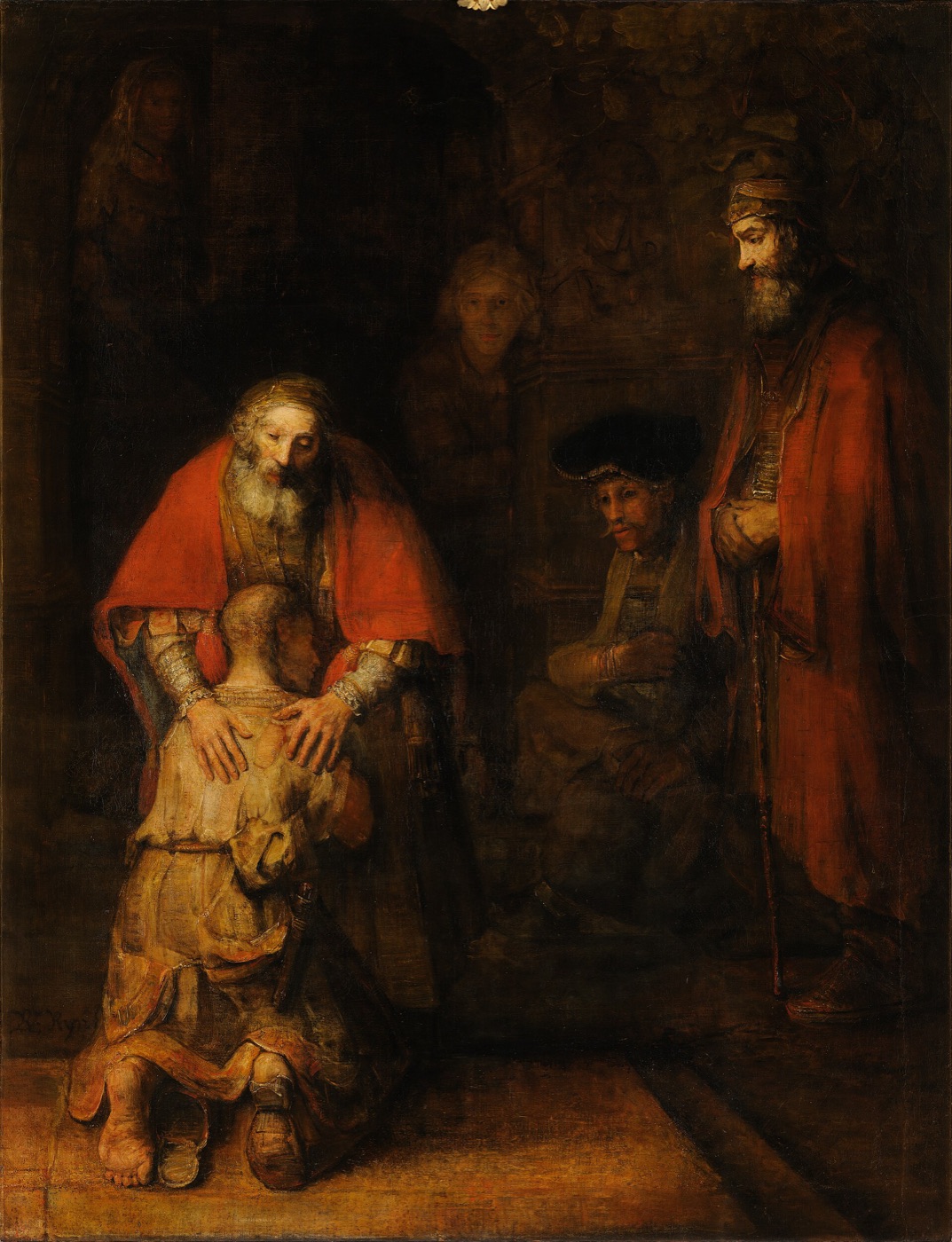
Reading schedule at a glance
| Week | Date | Reading | Theme |
|---|---|---|---|
| 1 | Nov 29 | Week 1 (pp. 1–29) | A Time for Encouragement |
| 2 | Dec 6 | Week 2 (pp. 30–55) | A Time for Renewal |
| 3 | Dec 13 | Week 3 (pp. 56–84) | A Time for Justice |
| 4 | Dec 20 | Week 4 (pp. 85–end) | A Time for Celebration |
Page numbers are from the SPCK/Westminster John Knox edition (2018). If your copy differs, go by the week headings. Because the book is a daily devotional, you can also read each week's passages the week before we meet, so the conversation catches up with you on Sunday.
Week 1 — A Time for Encouragement
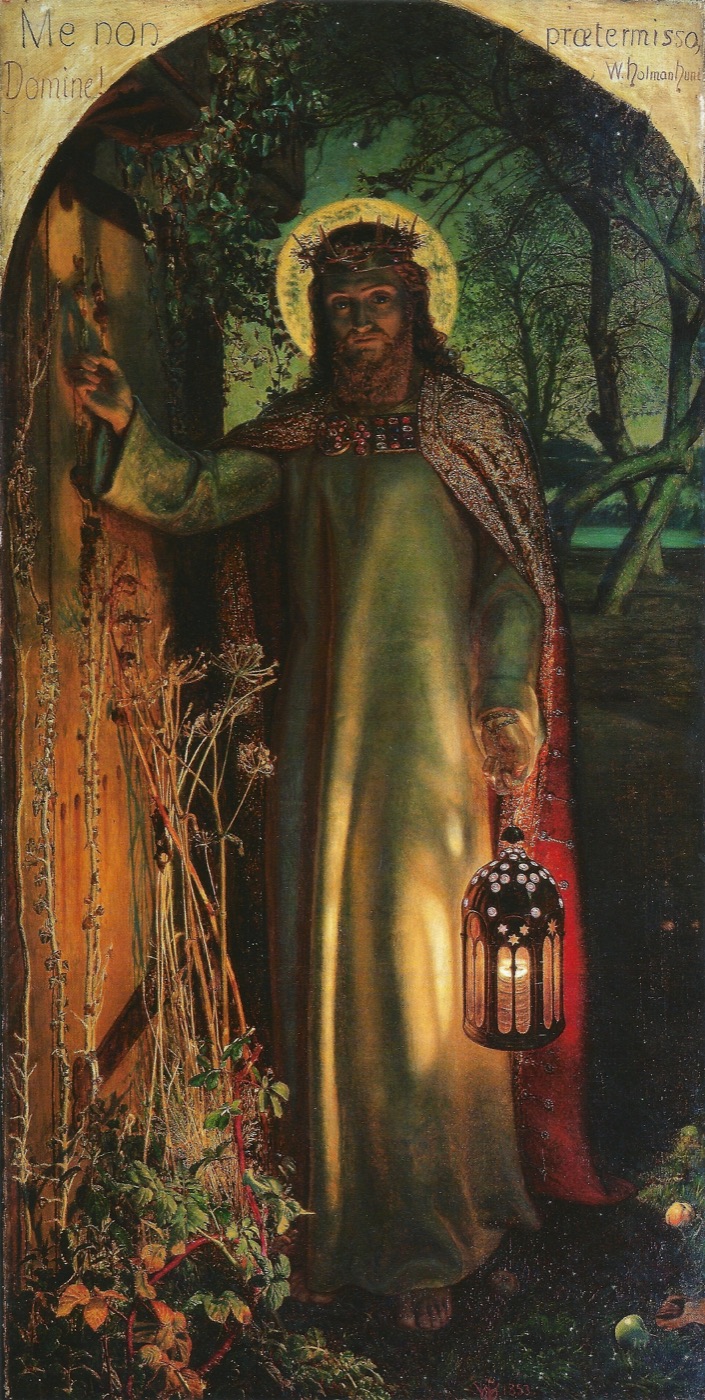
The big idea
Advent doesn't begin in a manger. It begins with the end of the world: signs in the sun and moon, nations in distress, and Jesus telling his friends to stand up and lift their heads, "because your redemption is near." The week's readings keep returning to one note: don't give up. Mary and Joseph lose the boy Jesus and find him in the Temple. The heavens open at his baptism. The poor are called blessed. We are told to ask, seek, and knock, and to keep our lamp lit. Encouragement here isn't cheerfulness. It's the courage to keep watch when things are falling apart.
Key ideas
Opening question
Who encouraged you when you most needed it, and what did they actually say or do?
Discussion questions
Understanding the text
- Why would the church begin its Christmas season with a reading about the end of the world (Luke 21.25–36)? What does "watching" for Christ look like for ordinary people with jobs and families?
- Mary and Joseph lose Jesus for three days and find him "in my Father's house" (2.49). What do you make of that story at the start of Advent? Have you ever "lost" Jesus and found him somewhere you didn't expect?
- Luke's genealogy runs backwards from Jesus all the way to "Adam, the son of God" (3.38). Matthew's stops at Abraham. Why might Luke want to tie Jesus to the whole human race?
- Luke's Beatitudes are blunter than Matthew's: "Blessed are you who are poor," not "poor in spirit," and they come with woes for the rich. Is that encouraging or unsettling? For whom?
Going deeper
- "Ask, and it will be given you" (11.9). Many of us have asked and not received. How do you hold this promise honestly?
- Jesus tells us to watch "so that you may be counted worthy to escape" what is coming (21.36). Does that sound like encouragement or fear? Can talk of judgment ever be good news?
- Where did Wright's reflection this week surprise you, comfort you, or bother you?
For those hurt by the church
- Some of us were raised on end-times preaching meant to frighten. How is Luke 21 different from what you heard as a child, or is it?
- Where do you find encouragement for your faith now, outside a church building?
Old Testament passages to gesture toward
I saw in the night visions, and behold, one like a son of man came with the clouds of the sky, and he came even to the ancient of days… Dominion was given him, and glory, and a kingdom.The "Son of Man coming in a cloud" of Luke 21 comes straight from Daniel. In Daniel it is a vindication, not a threat.
"Behold, the days come," says Yahweh, "that I will perform that good word which I have spoken… I will cause a Branch of righteousness to grow up to David."The Old Testament reading the church pairs with this Sunday: a promise kept, slowly.
But those who wait for Yahweh will renew their strength. They will mount up with wings like eagles. They will run, and not be weary. They will walk, and not faint.Waiting as a source of strength, not a waste of time. The heart of "don't give up."
Show me your ways, Yahweh. Teach me your paths. Guide me in your truth, and teach me, for you are the God of my salvation. I wait for you all day long.The psalm traditionally read on the First Sunday of Advent: a prayer for people who are watching and waiting.
Week 2 — A Time for Renewal
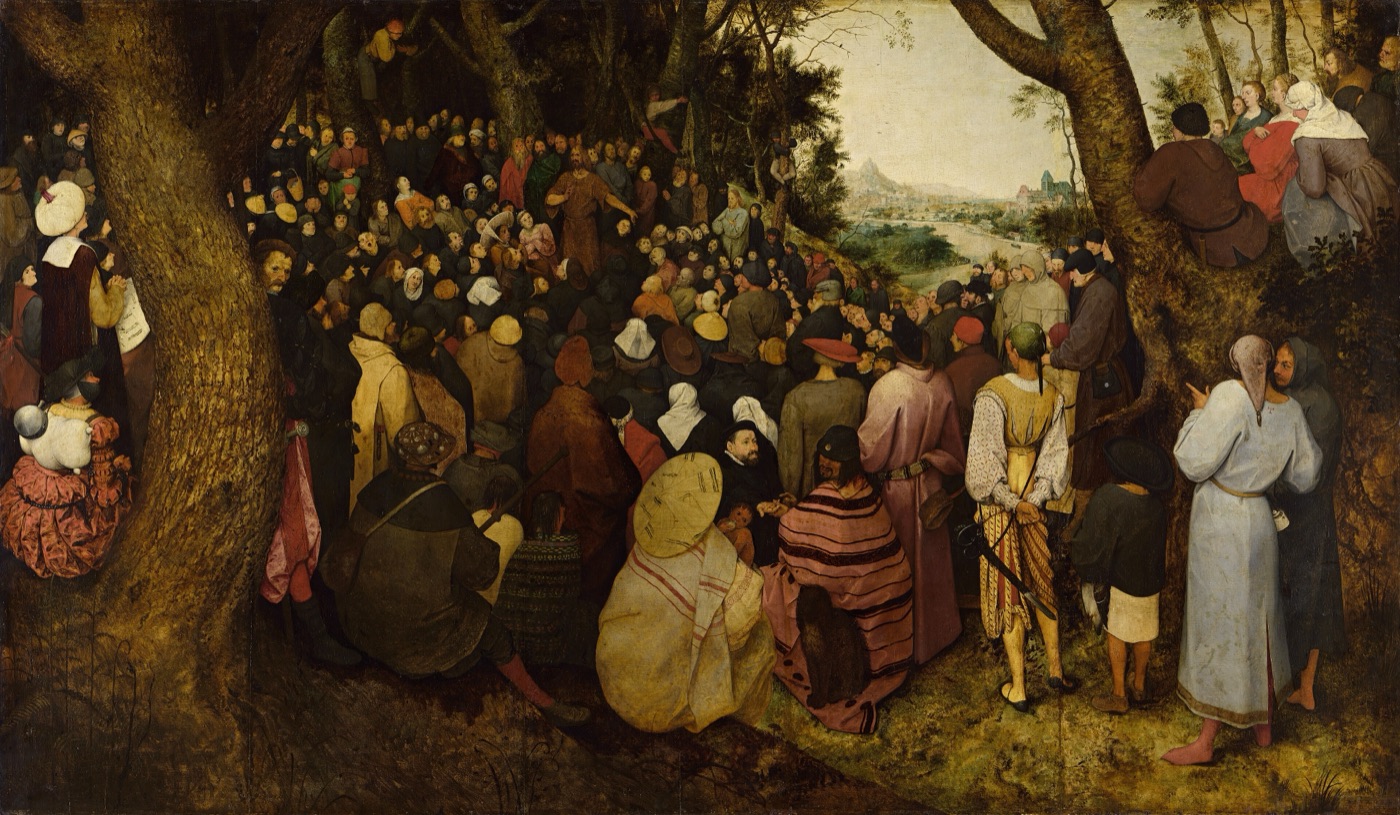
The big idea
Luke dates John the Baptist's preaching by the emperor, the governor, and the high priests, and then says the word of God came to a man in the desert instead. John calls for a turning around: valleys filled, mountains brought low, crooked paths made straight. The rest of the week shows what renewal looks like: a barren fig tree given one more year, a shepherd who won't stop looking, a rich man who never noticed the beggar at his gate, a rich young man who walks away sad, and a tax collector who climbs a tree and comes down changed. Renewal in Luke almost always involves money, and it almost always starts with God coming looking for us.
Key ideas
Opening question
What is one thing you'd like to be renewed in your life this Christmas?
Discussion questions
Understanding the text
- Luke lists all the powerful people of the day (3.1–2), and then God's word goes to John in the wilderness. Why tell it that way? Where does God's word come from today?
- The gardener asks for one more year for the fig tree (13.8). Who has been that gardener for you?
- The shepherd leaves ninety-nine sheep to find one. Is that good management? What does the parable say about how God values people?
- The rich man in 16.19–31 is never accused of doing anything cruel. What, exactly, was his sin?
Going deeper
- The rich young ruler walks away sad; Zacchaeus gives half his goods away gladly. What made the difference?
- Jesus invites himself to Zacchaeus's house before Zacchaeus repents (19.5). Does change come before acceptance, or after?
- Repentance has often been used as a weapon. How would you describe real repentance to someone who was shamed by the word?
Living it this Advent
- Christmas is the biggest shopping season of the year. What would Luke 16 and 18 say about our gift lists?
- Who is the Lazarus at your gate, the person you walk past without seeing?
Old Testament passages to gesture toward
The voice of one who calls out, "Prepare the way of Yahweh in the wilderness! Make a level highway in the desert for our God. Every valley shall be exalted, and every mountain and hill shall be made low… and all flesh shall see it together."Luke quotes this for John the Baptist, and only Luke adds "all flesh shall see the salvation of God." Renewal for everyone, not just Israel.
"Behold, I send my messenger, and he will prepare the way before me."The last book of the Old Testament ends waiting for a messenger. Luke says the wait is over.
I will seek that which was lost, and will bring back that which was driven away, and will bind up that which was broken, and will strengthen that which was sick.God as the shepherd who goes looking: the background of the lost sheep and of Zacchaeus ("the Son of Man came to seek and to save that which was lost").
I will also give you a new heart, and I will put a new spirit within you.Renewal as something God does in us, not only something we do.
Week 3 — A Time for Justice
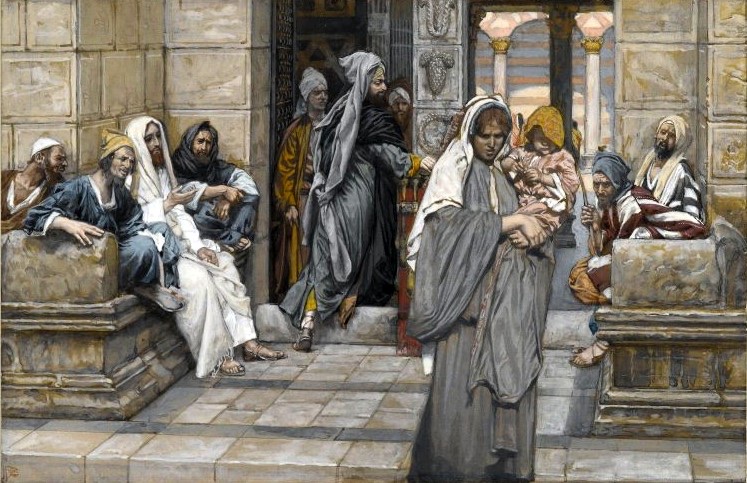
The big idea
When the crowds ask John "What should we do?", his answer is practical: share your coat, don't cheat, don't extort. In his hometown synagogue Jesus reads Isaiah's promise of good news to the poor and release to the captives, and the congregation tries to throw him off a cliff. The week is full of people who should know better: religious leaders who tithe their herbs and neglect justice, tenants who kill the owner's son, scribes who devour widows' houses. And it is full of unexpected heroes: a widow who won't stop knocking on a judge's door, a tax collector who can only say "be merciful to me," a poor woman who puts in everything she has. Justice in Luke is not an abstract idea. It is the shape God's love takes when it meets the way the world actually works.
Key ideas
Opening question
When was a time you saw something unfair and did something about it, or wish you had?
Discussion questions
Understanding the text
- John's answers to the crowd, the tax collectors, and the soldiers are all about everyday honesty and sharing (3.10–14). Why does a prophet of the end times talk about coats and paychecks?
- The Nazareth congregation is delighted with Jesus until he reminds them that Elijah and Elisha helped foreigners (4.25–27). Why does that make them furious?
- Jesus' woes are aimed at the most religious people in town. What do they get wrong (11.42)?
- The persistent widow wears down an unjust judge (18.1–8). Is this a parable about prayer, about justice, or both?
Going deeper
- The Pharisee in 18.11 thanks God he isn't like other people. When have you caught yourself praying that prayer?
- Jesus praises the widow's two small coins, right after condemning those who "devour widows' houses" (20.47). Is he praising her, or lamenting a system that took her last penny?
- This Sunday's candle is joy. How can a week about justice and judgment also be a week of joy?
For those hurt by the church
- Jesus was nearly killed by his own congregation. What does that say to people who have been driven out of theirs?
- The woes are spoken to religious insiders. Is there any comfort in knowing Jesus confronted religious leaders who misused their power?
Old Testament passages to gesture toward
The Lord Yahweh's Spirit is on me, because Yahweh has anointed me to preach good news to the humble. He has sent me to bind up the broken hearted, to proclaim liberty to the captives and release to those who are bound, to proclaim the year of Yahweh's favor.The passage Jesus reads in Nazareth (Luke 4.18–19): his mission statement.
He has shown you, O man, what is good. What does Yahweh require of you, but to act justly, to love mercy, and to walk humbly with your God?John the Baptist's practical answers to "What should we do?" in a single sentence.
But let justice roll on like rivers, and righteousness like a mighty stream.The prophets' anger at religion without justice, behind Jesus' woes against the Pharisees.
Learn to do well. Seek justice. Relieve the oppressed. Judge the fatherless. Plead for the widow.Widows appear again and again this week. In the prophets, how a people treats its widows is the test of its faith.
Week 4 — A Time for Celebration
The big idea
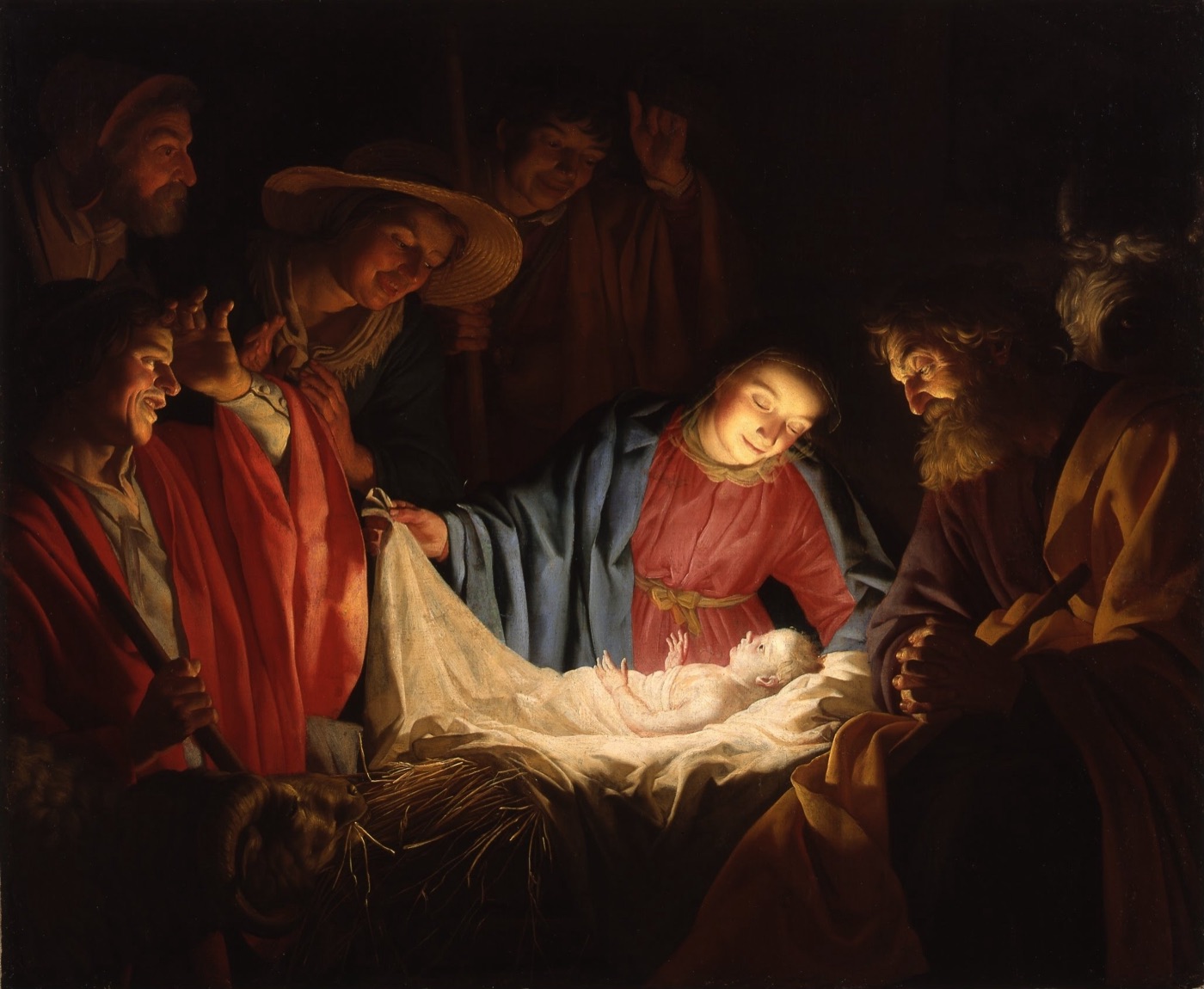
Finally, the songs. An unmarried teenager sings that God has pulled the mighty from their thrones and lifted up the lowly. An old priest who was struck dumb finds his voice. Angels sing to shepherds, the night-shift workers nobody invited to anything. Then Wright closes the season with parties: Jesus rejoicing, a banquet filled with the poor and the lame, and a father who runs to throw a feast for a son who wasted everything, while the older brother stands outside, refusing to come in. Christmas, in Luke, is a celebration that turns the guest list upside down. The only question left is whether we'll come in.
Key ideas
Opening question
What is your favourite Christmas memory, and who was there?
Discussion questions
Understanding the text
- Read Mary's song aloud (1.46–55). It has been called one of the most revolutionary songs ever written. Why might people in power find it dangerous?
- Why would God announce the birth first to shepherds? What does Luke want us to notice about who hears the news, and who doesn't?
- In the great banquet (14.12–24) the respectable guests make excuses, and the poor, the crippled, and the blind come in. Who are the people at your Christmas table this year, and who isn't?
- The prodigal story is often read for the younger son. Wright gives a whole day to the older brother. What does the older brother teach us?
Going deeper
- Mary sings that God "has put down the mighty from their thrones." Is that good news for everyone? Is it good news for us?
- The father runs to his son before the son finishes his apology. What would it mean to believe God is like that father?
- The parable ends without telling us whether the older brother went in. Why leave it open?
Looking back over Advent
- Encouragement, renewal, justice, celebration: which of the four weeks spoke to you most?
- For many people hurt by the church, Christmas is hard: the services, the family tensions, the memories. Has this Advent helped you find a way back into the celebration, or to stand at the door honestly like the older brother?
- What will you carry from Luke into Christmas Day?
Old Testament passages to gesture toward
My heart exults in Yahweh!… He raises up the poor out of the dust. He lifts up the needy from the dunghill, to make them sit with princes.Hannah's song, a thousand years earlier, is the model for Mary's song. Two mothers singing the same reversal.
For a child is born to us. A son is given to us; and the government will be on his shoulders. His name will be called Wonderful Counselor, Mighty God, Everlasting Father, Prince of Peace.The promise behind the angels' "unto you is born this day."
But you, Bethlehem Ephrathah, being small among the clans of Judah, out of you one will come out to me that is to be ruler in Israel.Why Luke takes such trouble to get Joseph and Mary to Bethlehem: small places matter to God.
In this mountain, Yahweh of Armies will make all peoples a feast of choice meat, a feast of choice wines.The great banquet and the prodigal's feast both point here: God's future as a party with everyone invited.
Yahweh, your God, is among you, a mighty one who will save. He will rejoice over you with joy. He will calm you in his love. He will rejoice over you with singing.The father running to the prodigal: a God who celebrates us.
About this guide
- The book: Tom Wright, Advent for Everyone: A Journey through Luke (SPCK / Westminster John Knox, 2018). Each of Wright's weeks ends with his own questions for reflection and group discussion. Feel free to use those instead of, or alongside, the questions here.
- The readings are taken from the book's table of contents. The reflections, questions, and practices here are this study guide's own, not Wright's text.
- Matthew or Luke? Wright wrote Advent devotionals on several books. This guide is for the Luke volume. Make sure everyone buys the same one.
How to join
Sundays at 8 pm Eastern on Zoom, November 29 through December 20. No sign-up and no commitment: come to any week, whether or not you've read.
Zoom: join the meeting · Meeting ID 846 5690 7695 · Passcode: Jesus
The book: Tom (N.T.) Wright, Advent for Everyone: A Journey through Luke (SPCK / Westminster John Knox). Make sure it's the Luke volume; Wright wrote several.